



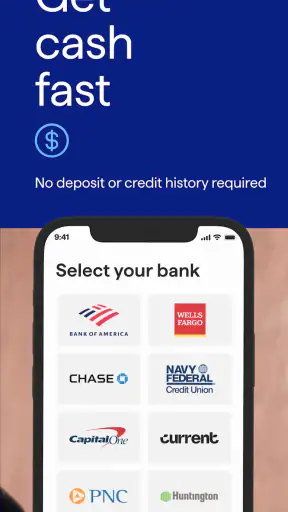
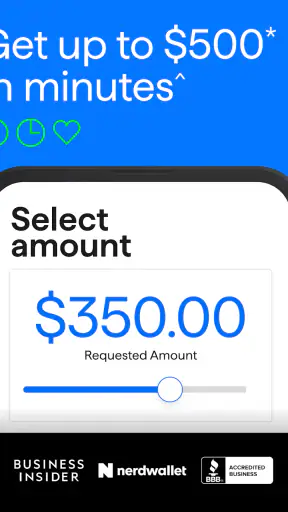

When money is tight, the hardest part is often not finding a long-term financial plan; it is handling one awkward expense before payday. That is the space Possible: Fast Cash & Credit tries to serve. I looked at it as a finance app rather than a general budgeting tool, and my impression is that it makes the most sense for someone who needs a short-term cash option and also wants to work toward a stronger credit history. It is free to install, aimed at everyone from an age-rating perspective, and its central appeal is straightforward: access to cash, flexible repayment, and credit-building in one place.
That combination sounds useful, but it needs to be approached with care. A borrowing app is not the same thing as a savings account, a bill calendar, or a credit counselor. Possible is designed around a specific financial moment: you need money now, you have a plan for repayment, and you want the activity to support better credit habits rather than simply disappear after the emergency. I would recommend it to a reader who understands that convenience does not remove the responsibility to repay.
Using it when a household expense cannot wait
Imagine a shared household where the refrigerator stops working just before payday. One person manages the main income, another handles groceries and utilities, and both are trying to avoid putting the repair on an expensive card. In that situation, Possible can be considered by the person whose name, income, and repayment responsibility fit the application. The useful point is not that everyone in the home should use it; the useful point is that the household can discuss the need before one person takes on a financial obligation alone.
I like this distinction because shared devices often blur personal boundaries. A partner may use the same phone, a parent may lend a device to an older teenager, or several people may share access to financial apps. That does not make the account a household wallet. The person applying should be the person who understands the terms and will manage repayment. I would not treat a family member’s access to the phone as permission to open, change, or manage someone else’s financial account.
For a realistic everyday use case, think of a utility bill arriving a few days before wages. Possible may be relevant if the applicant has a dependable way to cover the repayment and has already checked the total cost of using the service. It is less suitable if the bill is part of a recurring shortfall. Borrowing to cover the same gap every pay cycle can turn a temporary solution into a permanent pattern, even when the app makes the process feel simple.
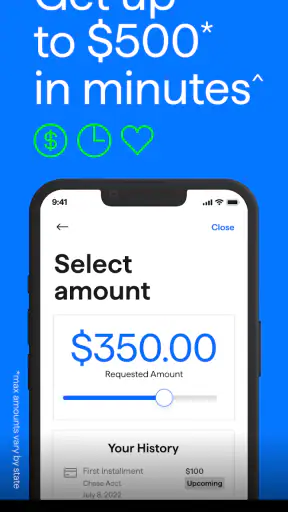
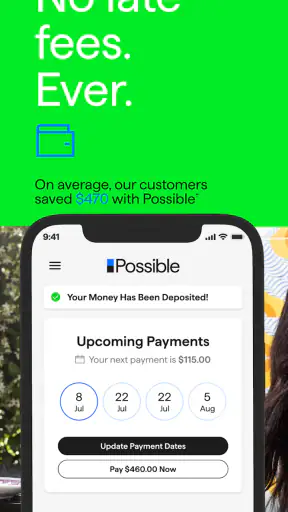
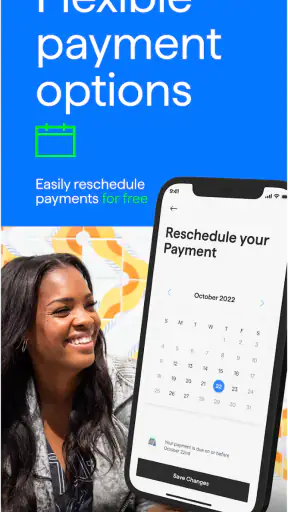
The app’s store summary focuses on getting cash quickly, building credit, and using flexible payments. In practice, I would read those as three connected but separate goals. Fast access addresses urgency. Credit building depends on responsible repayment and how the product reports activity. Flexible payments may make scheduling easier, but flexibility should not be confused with unlimited breathing room. Before accepting anything, I would examine the repayment dates, the full amount due, and what happens if the household budget changes.
Why a shared phone needs clear personal boundaries
Possible is a personal finance service, so I would set up a simple household rule before using it: one account, one responsible applicant, and no casual sharing of login details. That rule matters even when everyone in the home is trustworthy. Financial information can include sensitive identity and bank details, and a shared screen can expose more than intended through notifications, account history, or an open application.
If two adults want to consider the same borrowing decision, the safer workflow is to talk about the amount and repayment plan outside the app, then let the applicant complete the process personally. The other person can help compare the expense with the household budget without taking over the account. This keeps responsibility visible and avoids the common mistake of assuming that a shared financial problem should automatically become a shared account.
I would also avoid installing the app on a child’s or teenager’s device simply because the phone is available. The age label says Everyone, but that is a content classification, not a promise that every financial product is appropriate for every age or situation. A young person may be able to view an app in a store while still lacking the income, legal capacity, or experience needed to make a borrowing decision. Adults should handle the account and explain the decision in plain language.
Another practical boundary is separating Possible from ordinary household tracking. If one person uses a budgeting app, spreadsheet, or bank account to monitor bills, that tool can record the repayment plan without giving everyone access to Possible itself. I found this approach more sensible than treating the cash app as a central family dashboard. It keeps the borrowing decision narrow and makes it easier to see whether the repayment fits alongside rent, food, transport, and existing obligations.
Coordinating repayment instead of merely coordinating the application
The most useful household conversation is not “Can we get the money?” but “Exactly how will we repay it?” I would write down the expected repayment dates, identify the income that will cover them, and decide what expense gets reduced if the budget becomes tight. This is especially important when repayment flexibility encourages optimism. A plan that works only if every paycheck arrives on time is not a comfortable plan; it is a fragile one.
Possible can be helpful when the applicant uses it as part of a deliberate sequence. First, identify the unavoidable expense. Next, check whether savings, a payment arrangement with the provider, or help from a trusted person would solve it at lower risk. Only then consider borrowing. After that, schedule the repayment and monitor the bank balance around the relevant dates. This workflow is more valuable than simply opening the app whenever an emergency appears, because it turns the service into a controlled backup rather than the first response to every problem.
One non-obvious trade-off is that flexible payments can improve organization while also making a debt feel less urgent. A fixed, visible due date creates pressure, but it is easy to understand. A more adaptable schedule may fit irregular income better, yet it can encourage postponement if the user does not keep a separate reminder. My advice is to create a calendar reminder and leave the repayment amount in the household budget even when the app offers room to adjust timing. Flexibility works best when the user remains stricter than the product requires.
Another useful habit is to check the account after the household expense has been paid. If the original problem was a repair, medical purchase, or utility bill, keep the receipt or confirmation in the household records. That makes it easier to distinguish a genuine one-off need from spending that could have waited. It also prevents a shared household from forgetting why the balance exists, which can happen when one person applies and another person later sees only the repayment.
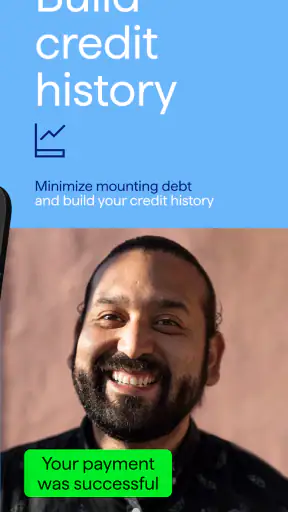
Possible’s credit-building angle also changes the way I would judge success. Getting cash quickly is an immediate result, but credit improvement is a longer-term objective that depends on behavior and reporting. I would not use the app solely because the phrase “build credit” sounds reassuring. I would first make sure the repayment schedule is realistic, then treat any credit benefit as a possible outcome of responsible use rather than a substitute for broader financial habits.
Where it fits beside familiar alternatives
Compared with a traditional bank overdraft, Possible may feel more focused on an application and repayment plan rather than being an automatic extension of a checking account. That can make the obligation easier to see, but it also means the user should not assume the app works like a bank account. Compared with a credit card, it may be more appealing to someone who wants a specific short-term borrowing arrangement instead of an open revolving balance. A card can be more useful for planned purchases or established rewards, while Possible is more narrowly suited to an immediate cash need and a structured repayment intention.
A small personal loan from a bank or credit union may be a better fit when the amount is larger, the repayment period needs to be longer, or the borrower wants to compare formal loan terms. A payment plan directly from a utility company, clinic, or repair business may be preferable when it avoids a separate borrowing product altogether. And if the household frequently needs emergency cash, a spending review, benefits check, debt counselor, or automatic savings plan may address the underlying issue better than repeating short-term borrowing.
That comparison is important because Possible is not a universal replacement for every financial tool. Its strength is convenience around a specific short-term need, paired with a credit-building purpose. Its weakness is the risk that convenience becomes a routine response to an income problem. I would choose a conventional alternative when it offers clearer total costs, a more suitable repayment period, or less pressure on the next paycheck.
The app comes from Possible Finance - A Public Benefit Corporation, and it has been available since January 25, 2018. Its current version is 2.5.0, and it requires iOS or Android 10 or later. Those details matter for a shared household because an older spare phone may not meet the operating-system requirement. Before planning around the app, I would check the device rather than discovering the compatibility issue during an emergency.
Trust, age context, and the person who should skip it
The Everyone content rating makes the app broadly accessible in an app-store sense, but borrowing still calls for adult judgment. I would keep children out of the application process and would not ask a teenager to act as the household’s financial intermediary. Even among adults, trust should include transparency about the amount, the repayment plan, and who bears responsibility if the plan fails.
Someone should probably skip Possible if they cannot identify reliable repayment income. The same is true for a person already juggling several late payments, using one loan to cover another, or hoping that flexible payments will solve an ongoing shortage. In those circumstances, another short-term advance can hide the real problem and increase stress. A conversation with a nonprofit counselor, creditor, employer, or trusted financial professional may be more useful than another application.
I would also hesitate if the household cannot agree on basic account boundaries. If one person wants to borrow while another controls the bank account, or if family members are likely to move money without telling the applicant, the repayment plan is not ready. The app cannot create trust or coordination between people. It can only be used responsibly when those foundations already exist.
For a user with irregular income, the decision is more nuanced. Irregular pay does not automatically make the app unsuitable, especially if the timing and amount of upcoming income are reasonably clear. However, the user should plan around the lowest dependable income rather than the best month. If the repayment depends on overtime, tips, or an uncertain freelance payment, I would consider that a warning sign and look for a less time-sensitive solution.
What the reception suggests, and what it does not prove
Possible has an average rating of 4.4 from around 63 thousand ratings, with more than 29 thousand written reviews, and it has passed one million installs. That level of adoption tells me the app has reached a substantial audience and that many people find the basic idea useful. It does not guarantee that the experience will suit every applicant, because financial products are highly dependent on personal circumstances, eligibility, repayment ability, and expectations.
I would read user feedback with a practical question in mind: are people discussing the parts that matter to your situation? Look for comments about application clarity, repayment management, customer support, and credit expectations rather than focusing only on whether someone received money quickly. A review from a user with stable income may not predict the experience of someone whose household budget changes every week.
Because the app is free to download, the real decision is not the installation itself. The important questions concern the borrowing terms shown during the application, the repayment schedule, and whether the service solves a one-time problem without creating a new one. Free access should not be mistaken for free borrowing. I would never make a household decision based only on the absence of an upfront app price.
My household verdict after weighing convenience against risk
My overall view is that Possible: Fast Cash & Credit can be a reasonable emergency option for the right adult user, especially someone who wants to combine short-term cash access with a credit-building goal and has a clear repayment plan. I appreciate that its purpose is more focused than a general finance app. It is not trying to replace every money tool; it is aimed at a moment when timing matters.
For household use, I would keep the account strictly personal while making the repayment plan visible to the people affected by it. One applicant should remain accountable, shared-device access should be avoided, and any adult partner should understand the obligation before the money is accepted. That arrangement protects privacy without pretending that a repayment never affects the wider household.
My strongest recommendation is to use it only after comparing the alternatives. Ask whether the bill can be delayed, negotiated, paid from savings, or covered through a lower-risk option. If borrowing is still necessary, record the repayment dates, reserve the money early, and treat flexibility as a scheduling aid rather than permission to keep postponing. These steps are simple, but they make a major difference in whether the app supports stability or merely postpones pressure.
For someone facing a single urgent expense and able to repay without sacrificing essentials, I can see the appeal. For a household caught in a repeating cash shortage, I would choose a broader solution first. That is the honest dividing line: Possible is most useful as a controlled bridge, not as a permanent part of the monthly budget. With that boundary in place, it deserves consideration; without it, the convenience may cost more peace of mind than it provides.


